- Screens designed
- 109
- Platform
- iOS and Android
- Market
- Saudi Arabia
- User roles specified
- 2
Overview
RYVEO is a ride-hailing app planned for Saudi Arabia. The client came to us with a strong idea and a market they knew well. We turned that idea into a product a development team can build: documented business goals, detailed functional behavior, a technical architecture, a data model, and a complete app design.
The app serves riders and drivers in one product, prices trips in Saudi riyals, works in English and Arabic, and connects riders to local emergency services during a trip.
What made it complex
The client had the idea and deep knowledge of the Saudi market. What was missing was a precise, shared definition of the product: one that development vendors could quote against accurately and engineers could build from without guesswork.
- Turn a broad idea into scoped, testable requirements
- Define fare negotiation rules that feel fair to riders and drivers
- Specify two user roles that share one app
- Account for local expectations: riyal pricing, Arabic, emergency numbers, and driver gender preference
- Produce documentation complete enough for any vendor to estimate and build
Key decisions we made
What the product does
Every feature below was specified in the requirements and shown in the designs.
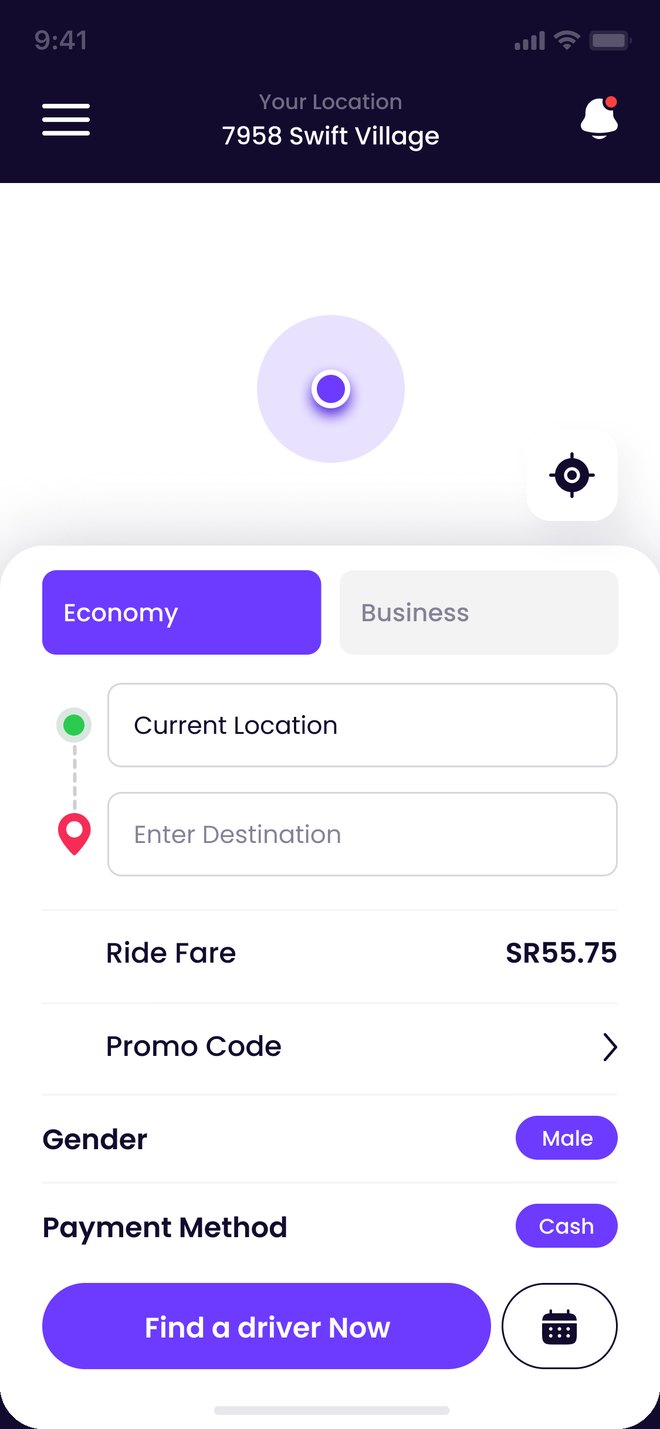
- Fare negotiation. Riders propose a price, and drivers accept or counter in quick fixed steps.
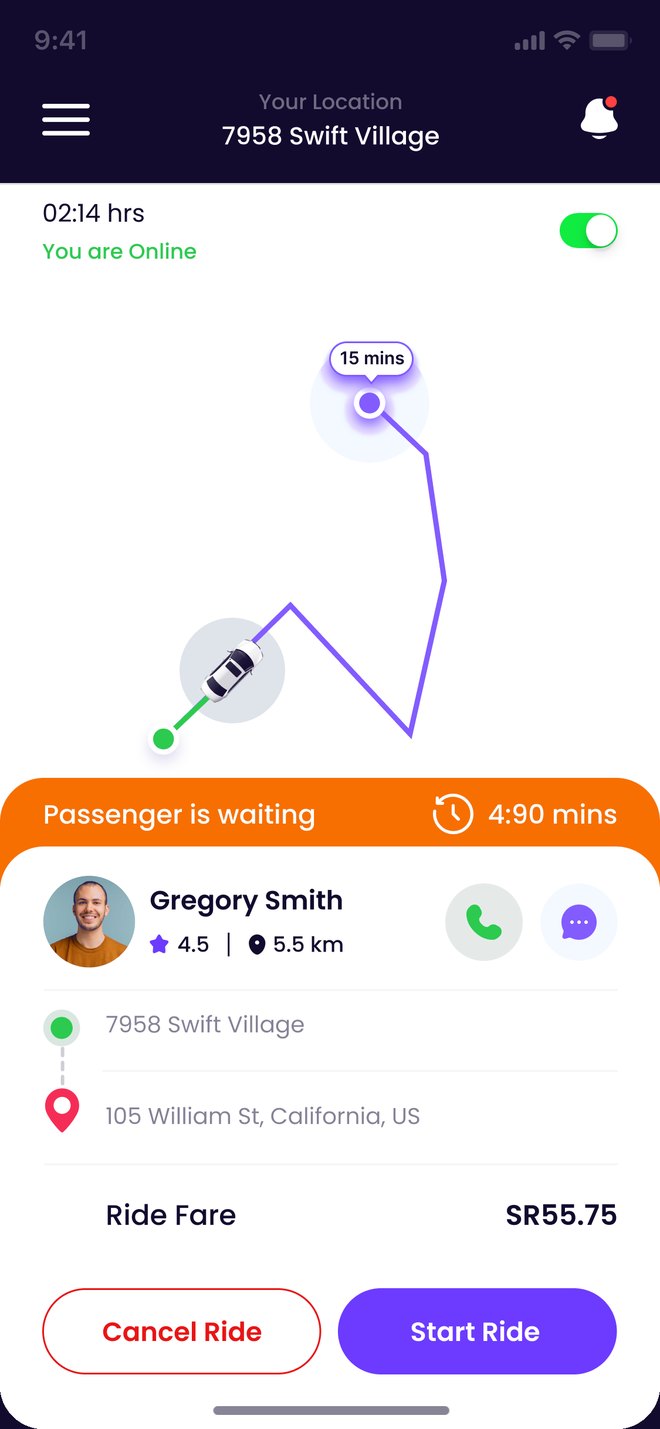
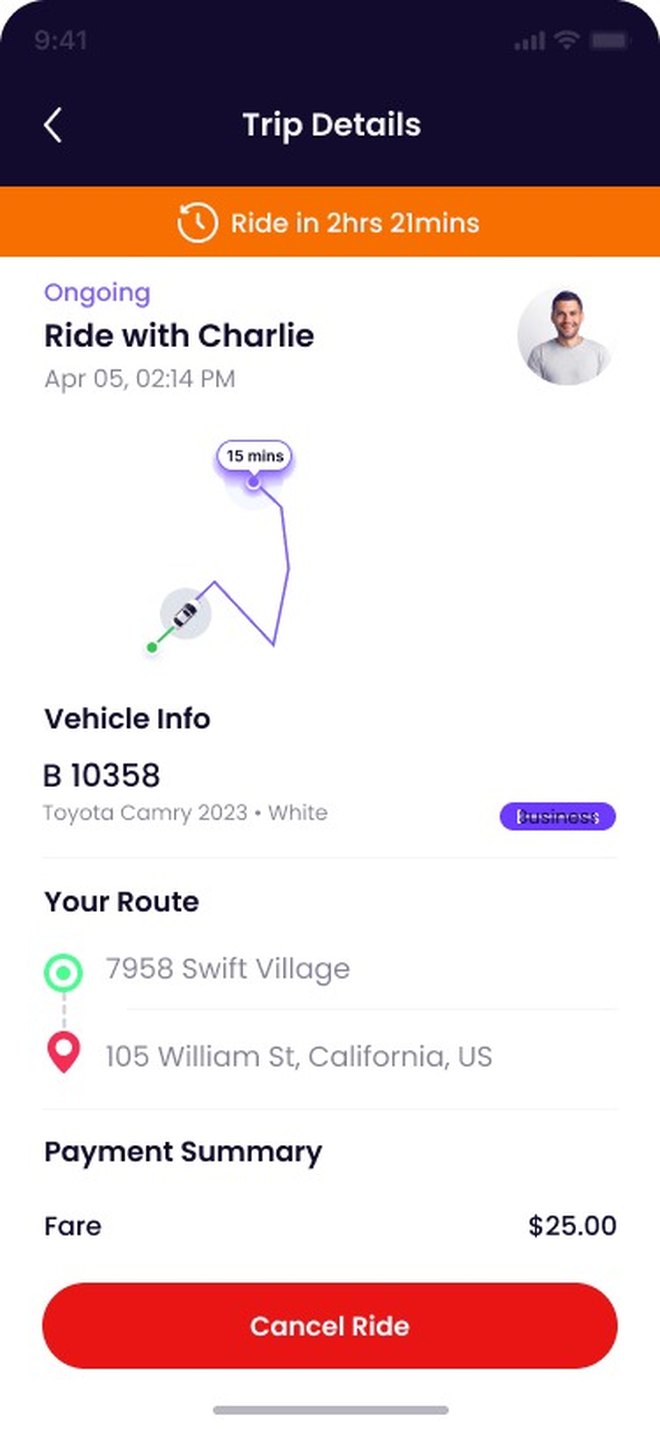
- Live trip tracking. Pickup time, driver location, and route on a single screen.
- Scheduled rides. Book for a later date and time, with auto-accept for offers under a set fare.
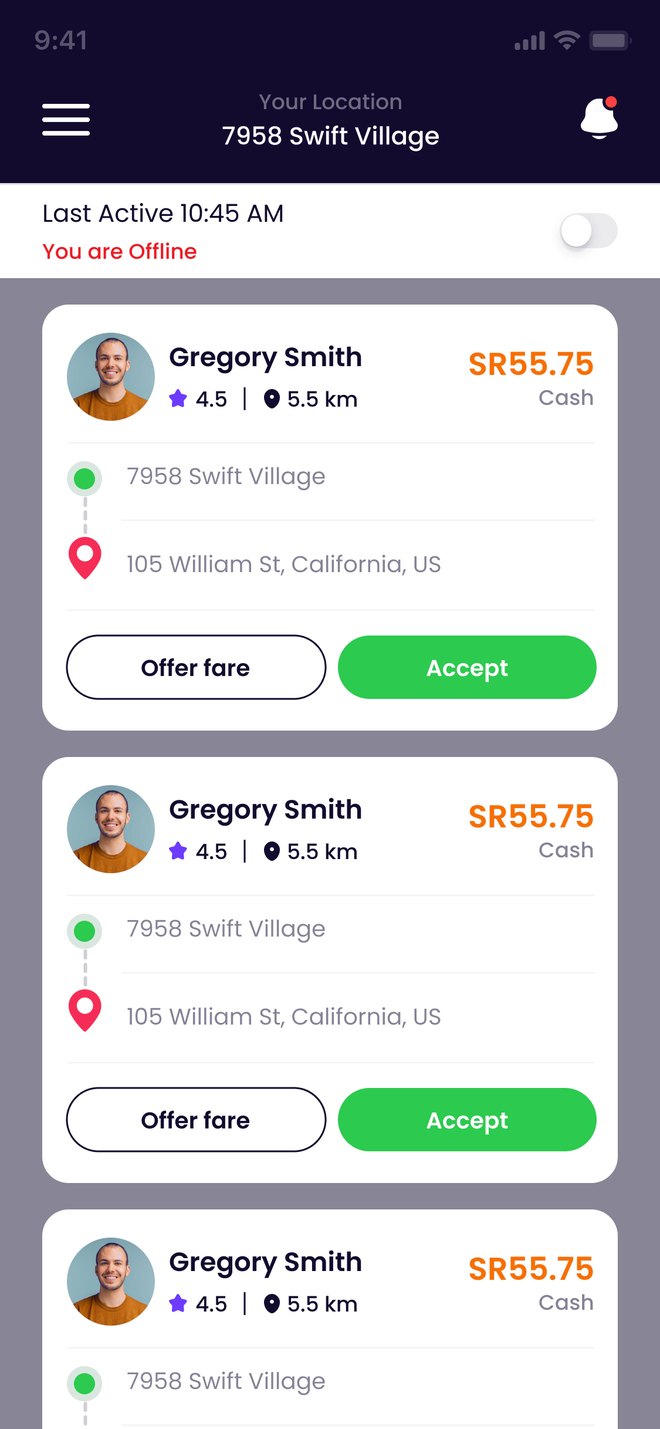
- Driver request queue. Drivers see distance, rating, and fare for each nearby request before accepting.
- In-app chat and calls. Riders and drivers message, call, or video call from the trip screen.
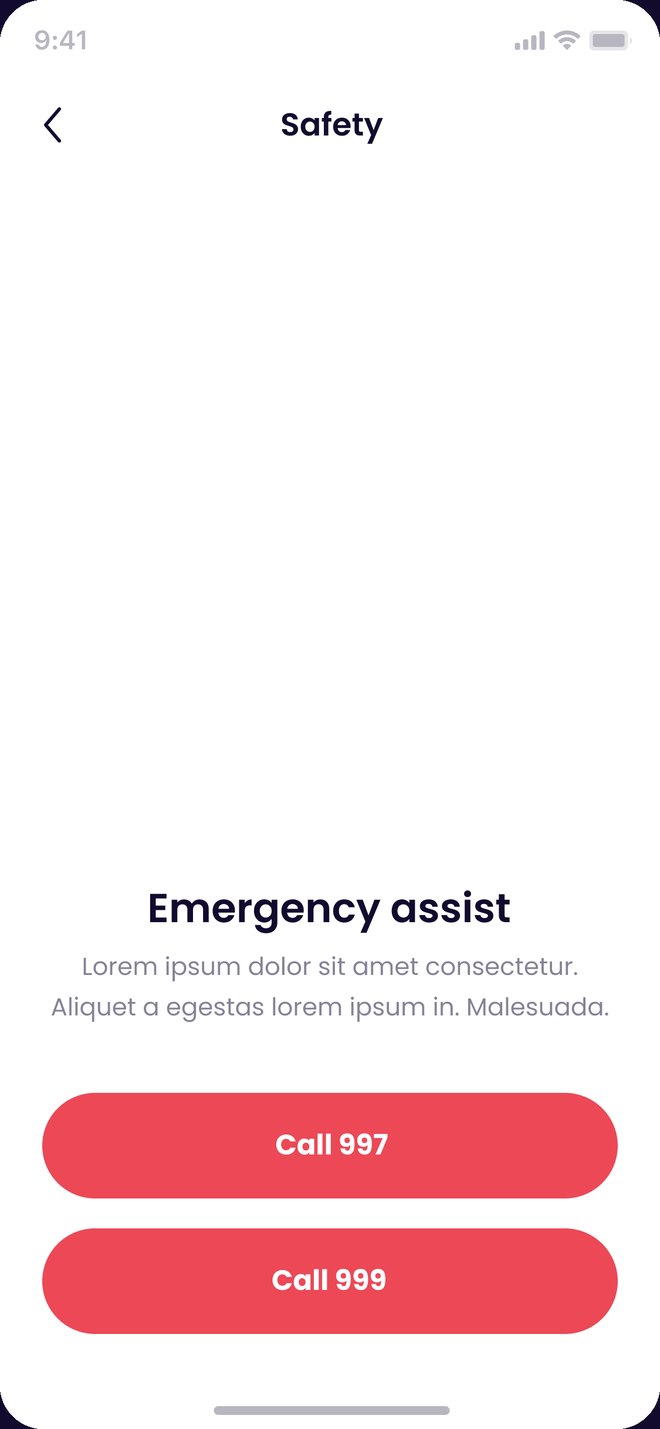
- Safety center. One-tap calls to ambulance (997) and police (999) during a trip.
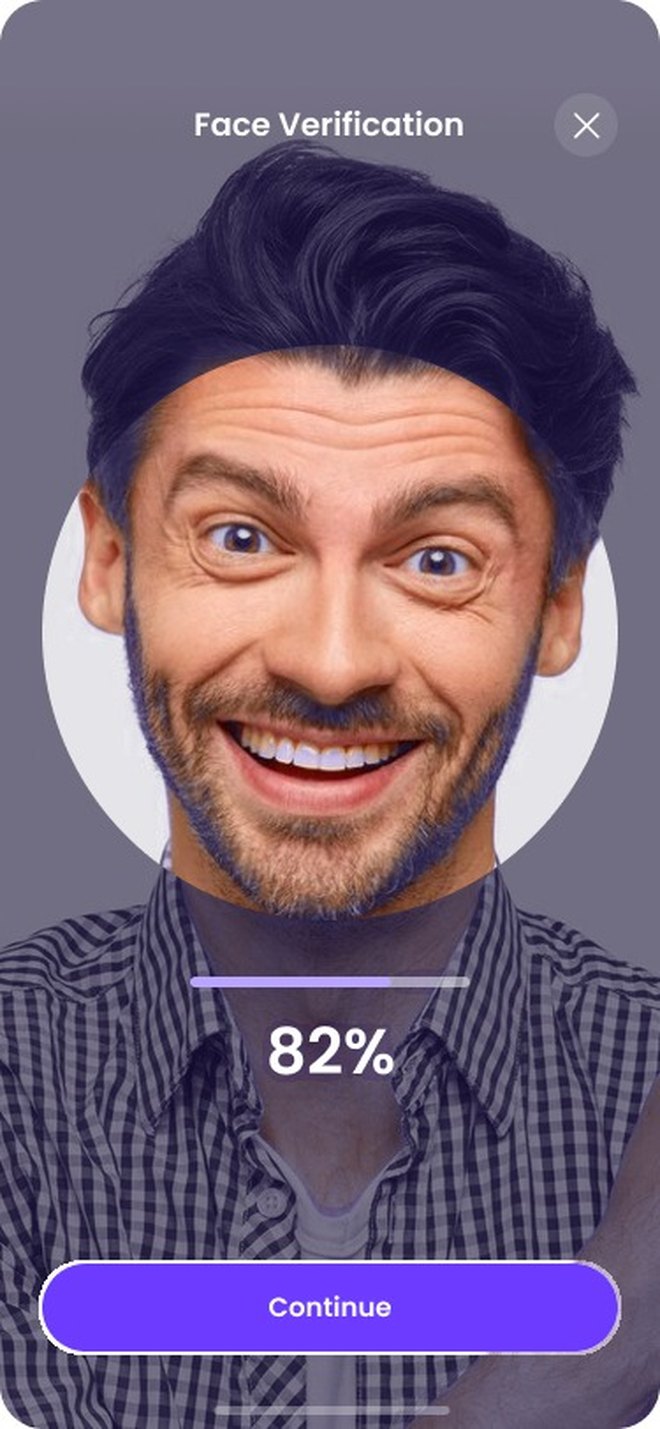
- Identity verification. Face and fingerprint sign-in for faster, more secure access.
- Promotions. Promo codes and time-limited discounts applied before booking.
- Ride history and disputes. Past trips with fare breakdowns, cancellation reasons, and dispute status.
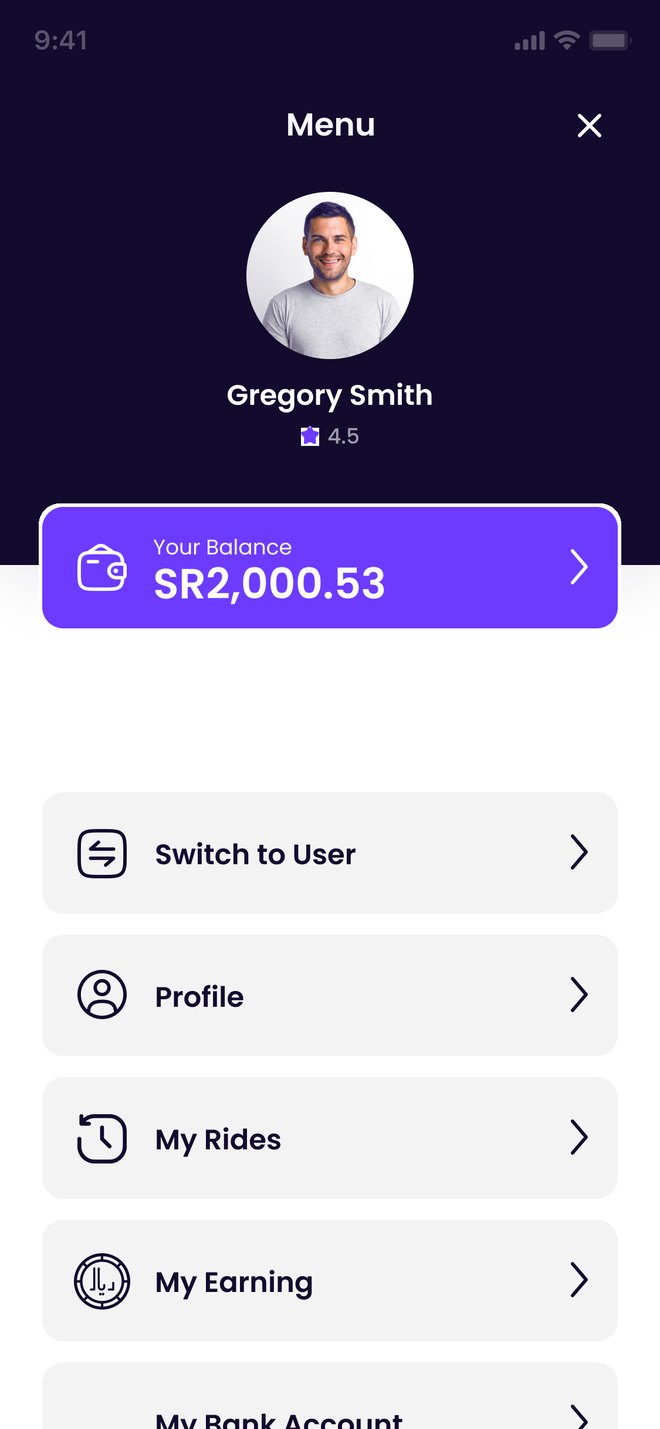
- Wallet and payouts. Riyal balance, earnings, and linked Saudi bank accounts for drivers.
- Driver gender preference. Riders can choose who picks them up.
- English and Arabic. Switch between English and Arabic at any time from settings.
How we worked
Discovery sessions, then business, functional and technical requirements and a data model, then design and handover. Every screen traces back to a documented requirement.
What the client received
Plain names first; the short labels are what developers call each document.
Business Requirements Document
Business goals, market context, user groups, scope, and success measures.
Functional Specification Document
Every feature, user flow, business rule, and screen behavior for riders and drivers.
Technical Requirements Document
System architecture, integrations, security, performance, and hosting requirements.
Entity Relationship Diagram
The data model: riders, drivers, vehicles, trips, fare offers, payments, and how they connect.
Stories and acceptance criteria
Each requirement broken into buildable, testable units for the development team.
API specification
The endpoints and data contracts between the mobile app and the backend.
UX and UI design
109 screens covering sign-up, booking, trips, payments, safety, and support.
A look inside the product
8 of the 109 screens we designed. Scroll or swipe to see more.
Technology specified
Outcome
Content needed: a real quote from this client, two or three sentences, in their own words
Have a product like this in mind?
We start with discovery: requirements, documentation and design that any development team can quote and build from.
Free and without obligation. Content needed: call length
- Before the callWe read what you sent, so the call starts with your problem.
- On the callWe ask questions, listen, and explain how we would approach it.
- After the callIf we are a fit, a written proposal with a fixed scope follows. If not, we say so.