Find out if it's worth building before you pay to build it.
We test your idea with a working prototype, then turn what we learn into a specification you own. You leave knowing whether to build, what to build, and who could build it.
- Duration
- Content needed: weeks
- Fee
- Fixed. Starts from Content needed: price
- Format
- Content needed: remote, on-site, or both
- You keep
- Every document and the prototype
For anyone about to spend real money on software they can't yet picture
- Founders with an idea who need evidence and a clear brief before talking to developers or investors.
- Business owners weighing custom software who have outgrown spreadsheets or existing tools.
- Anyone holding a quote who wants an independent view before signing.
How it runs
- Phase 1
Understand
Interviews with you, your team and, where possible, your users. We map the workflow and agree what success means.
- Phase 2
Prototype
We pick the riskiest assumption and build a small working version to test it. Engineers call this a proof of concept.
- Phase 3
Specify
What we learned becomes a specification written so any qualified team can quote against it.
- Phase 4
Recommend
Build, buy, or wait, with the reasoning and a realistic budget range.
What you receive
Take every item to any vendor, investor or internal team. Nothing is locked to us.
Discovery brief
The problem, the users, and what success looks like, in plain language.
Workflow and requirements map
How work happens today and what the software must do.
Working prototype
Something you can click, test and show, built around the riskiest part of the idea.
Build, buy, or wait recommendation
Our honest view, with the reasoning behind it.
Specification for vendors
Detailed enough that quotes from different teams can be compared fairly.
Includes business requirements (BRD), functional specification (FSD), technical requirements (TRD) and data model (ERD)
Vendor shortlist and criteria
Who could build it, and how to judge them.
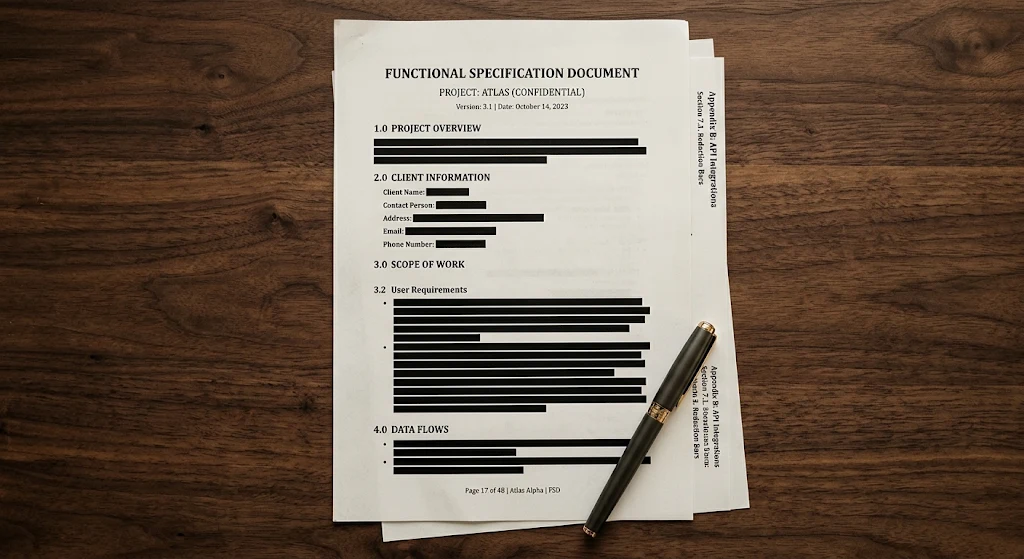
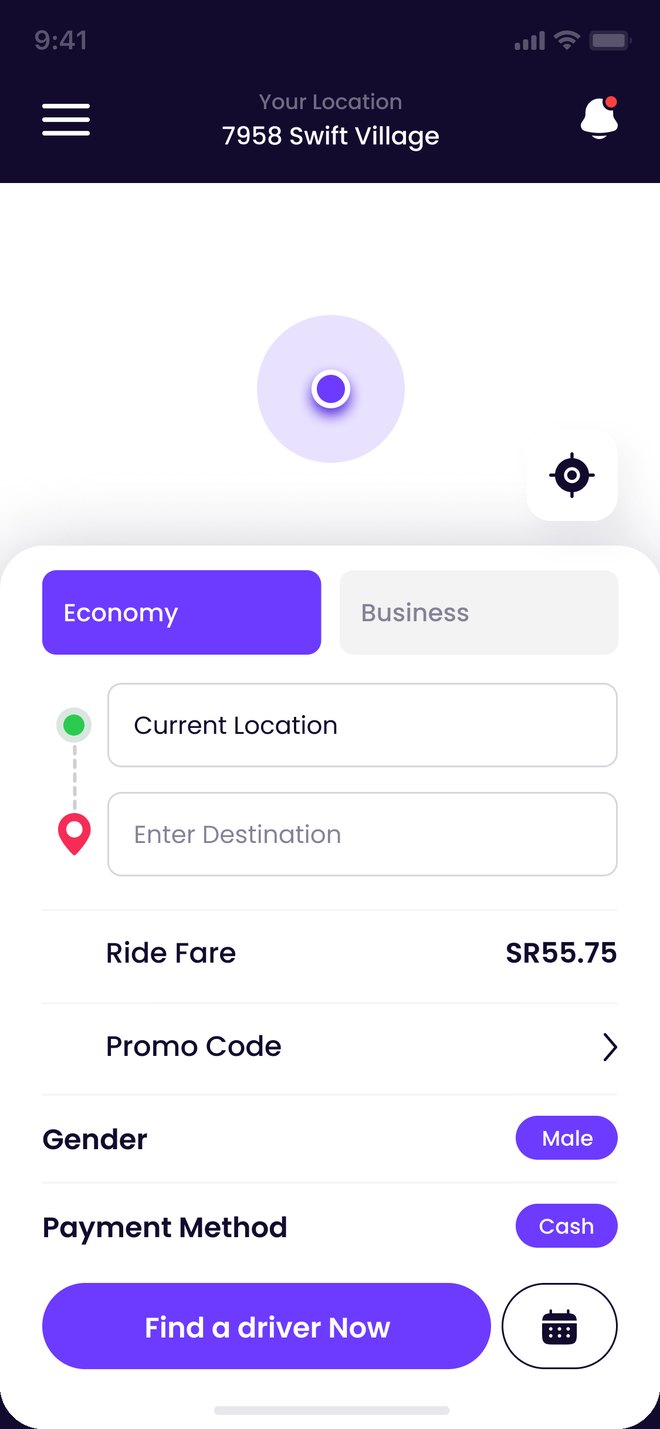
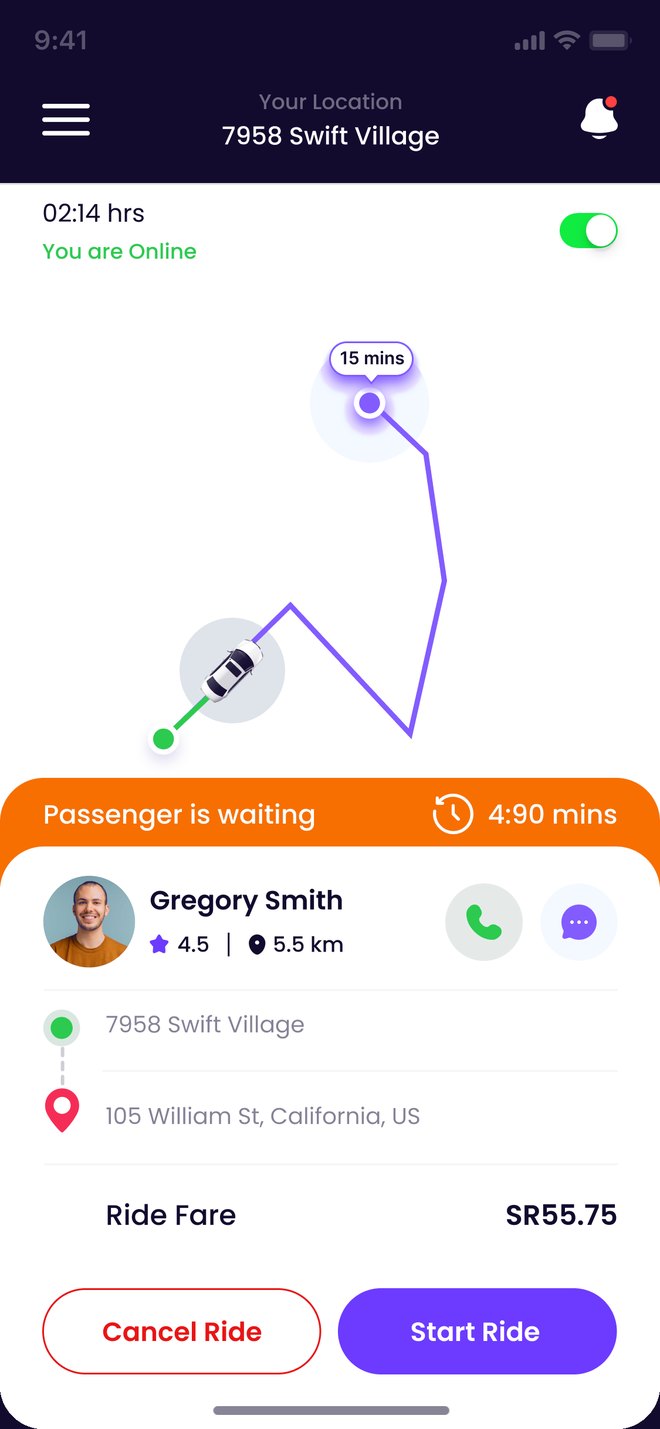
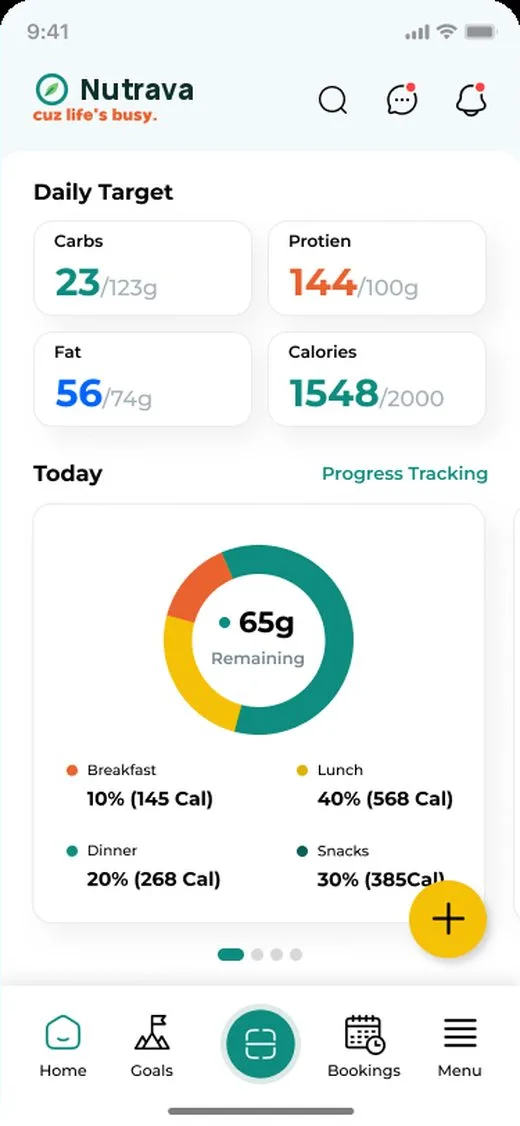
See what a specification looks like
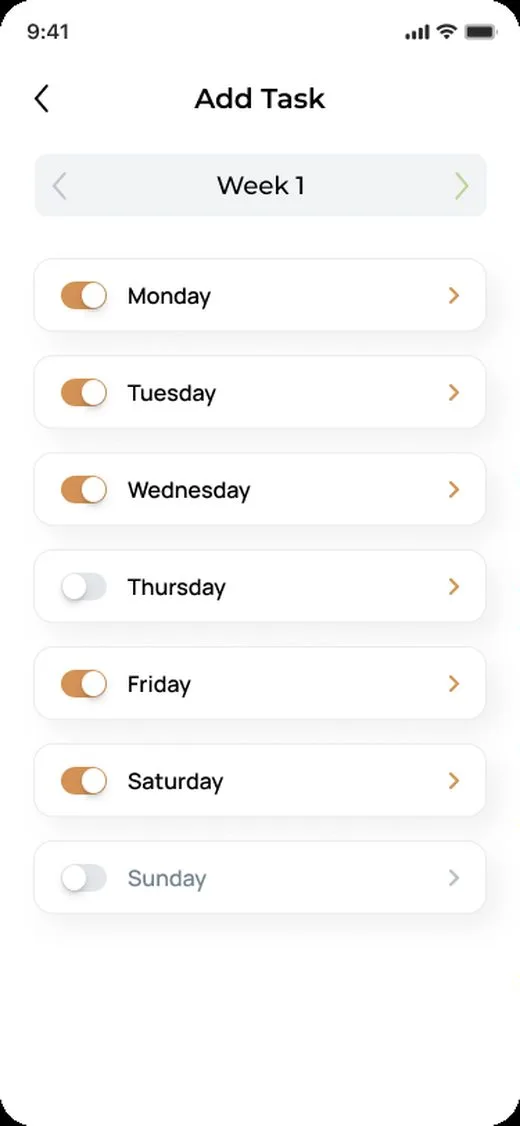
Numbered sections, plain-language requirements, and data flows a development team can quote against. Client details are removed from every sample we share.
Questions about Discovery
What if the prototype shows the idea doesn't work?
Then the engagement did its job. You found out early, with a clear record of why, which often points to a version that does work.
Do I need a technical background?
No. You bring knowledge of your business and customers. We handle the technical side and explain it as we go.
I already have a developer in mind. Is this still useful?
Yes. We include them in the evaluation and assess them on the same criteria as everyone else.
What is the difference between the intro call and Discovery?
The intro call is free and short. Discovery is the paid engagement that produces the brief, prototype and specification.
Bring the idea. We'll help you find out what it's worth.
A short conversation with a founder about where you are. You leave with an honest read and a sensible next step, whether or not that involves us.
Free and without obligation. Content needed: call length
- Before the callWe read what you sent, so the call starts with your problem.
- On the callWe ask questions, listen, and explain how we would approach it.
- After the callIf we are a fit, a written proposal with a fixed scope follows. If not, we say so.